01Artificial Inexistence
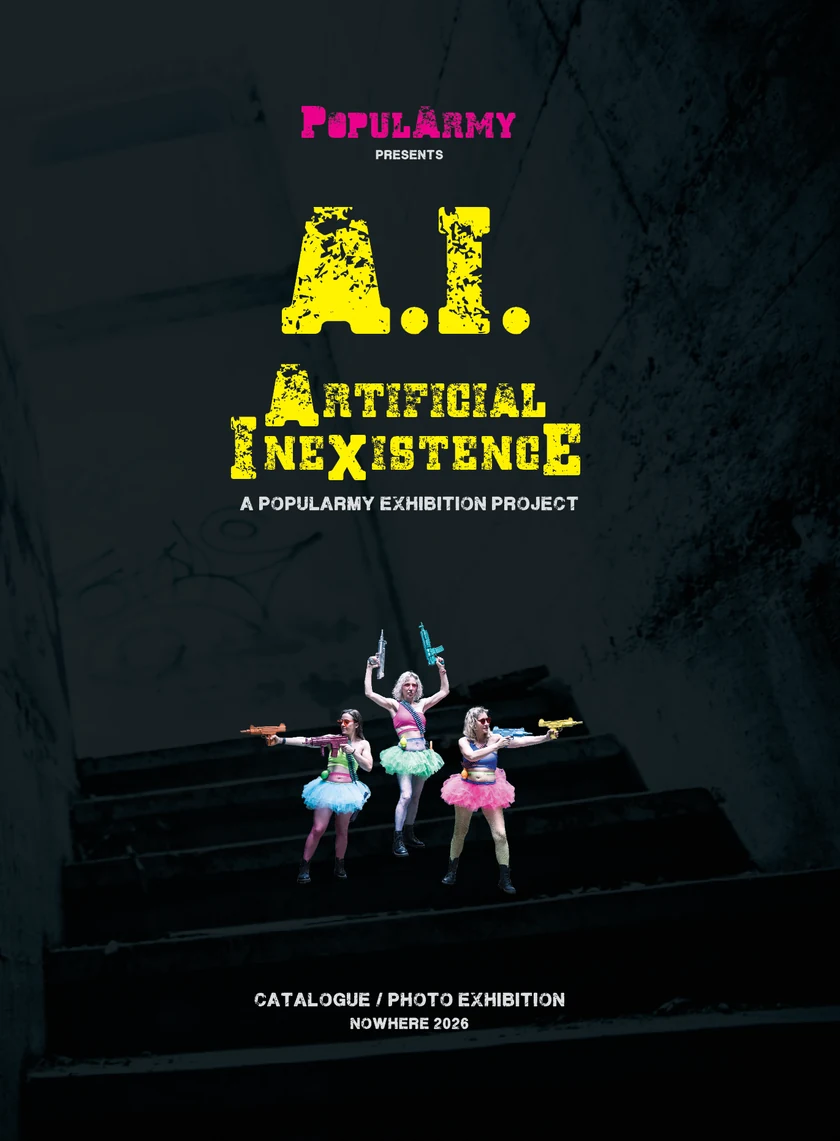
In the contemporary landscape, where Artificial Intelligence (AI) saturates our gaze with flawless images born from digital nothingness, the PopulArmy project stands as an act of visual and physical resistance. The exhibition title, “Artificial Inexistence”, deliberately plays on its assonance with “AI,” but overturns its paradigm: if artificial intelligence creates existence out of the ether, PopulArmy stages an artificial inexistence inside real, physical, and painfully abandoned spaces.
02Real Bodies in Forgotten Worlds
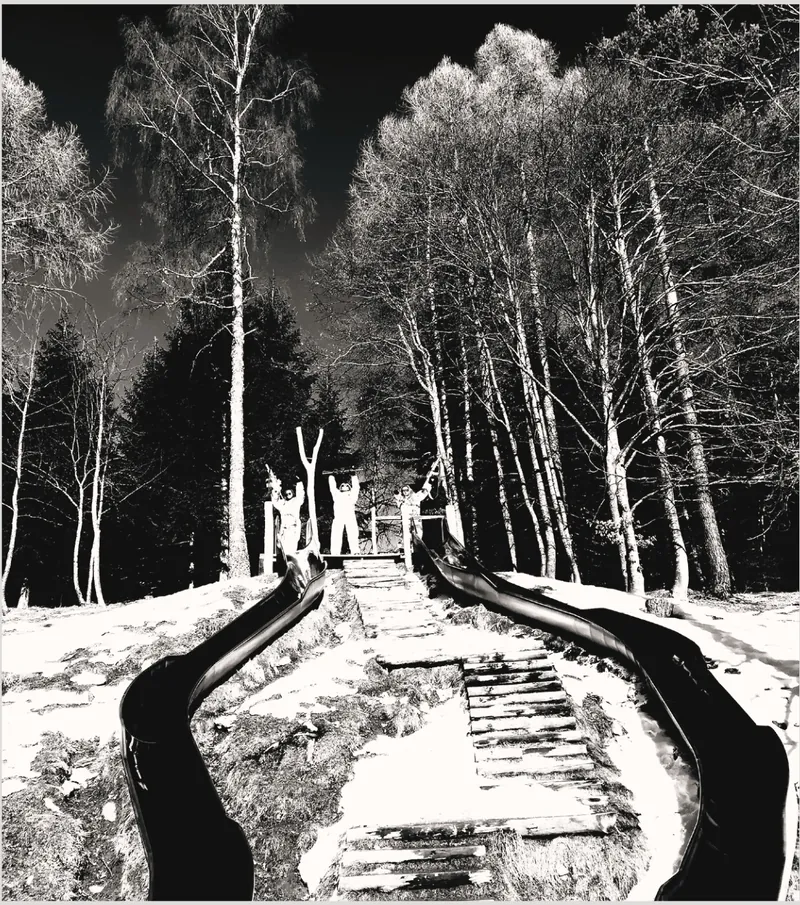
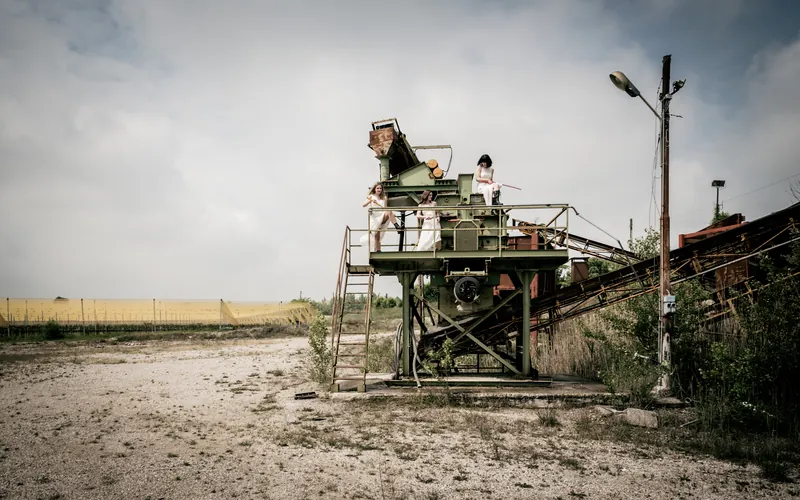
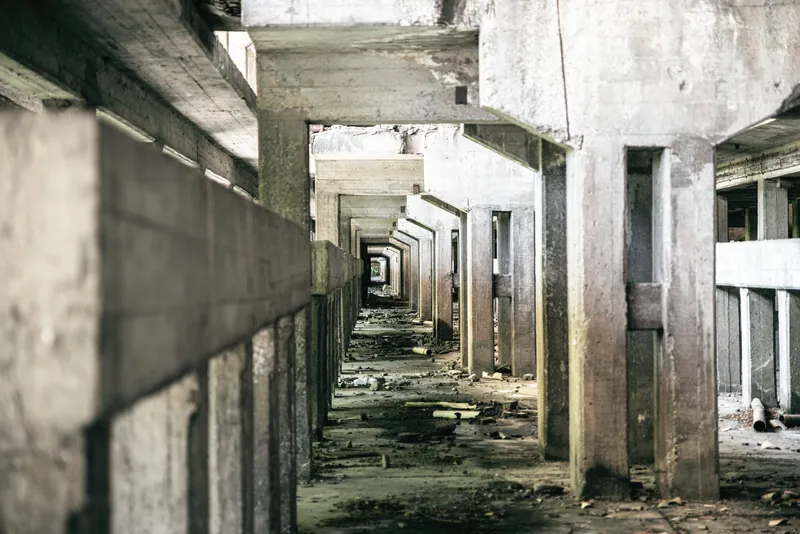
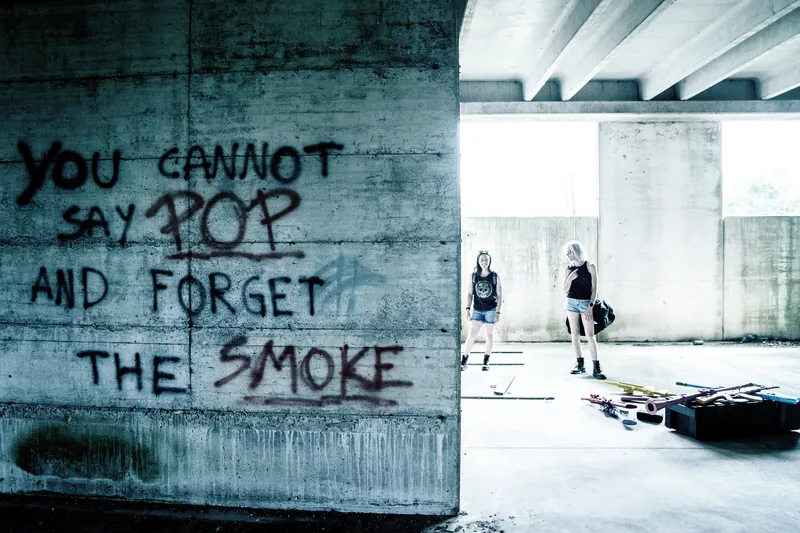
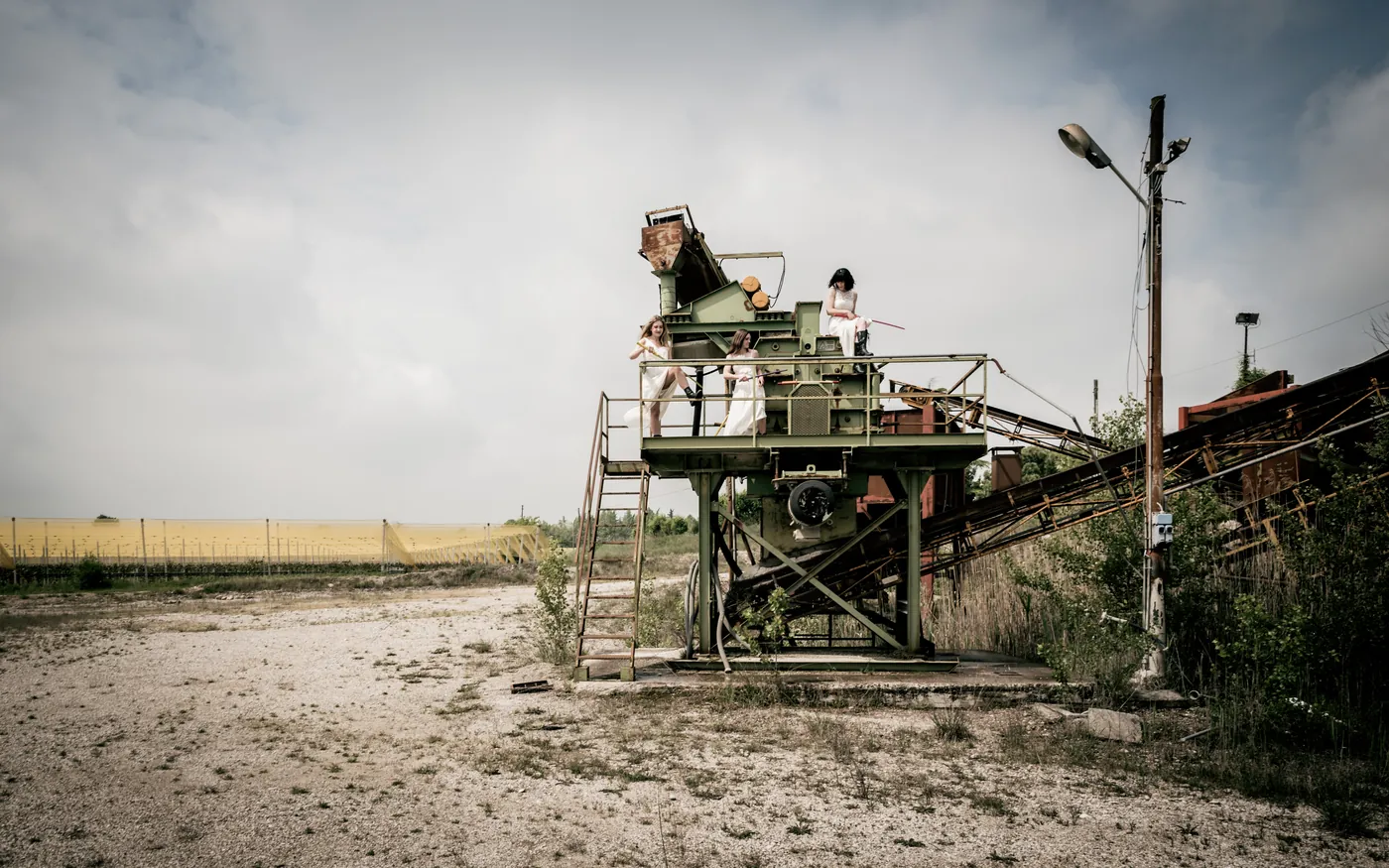
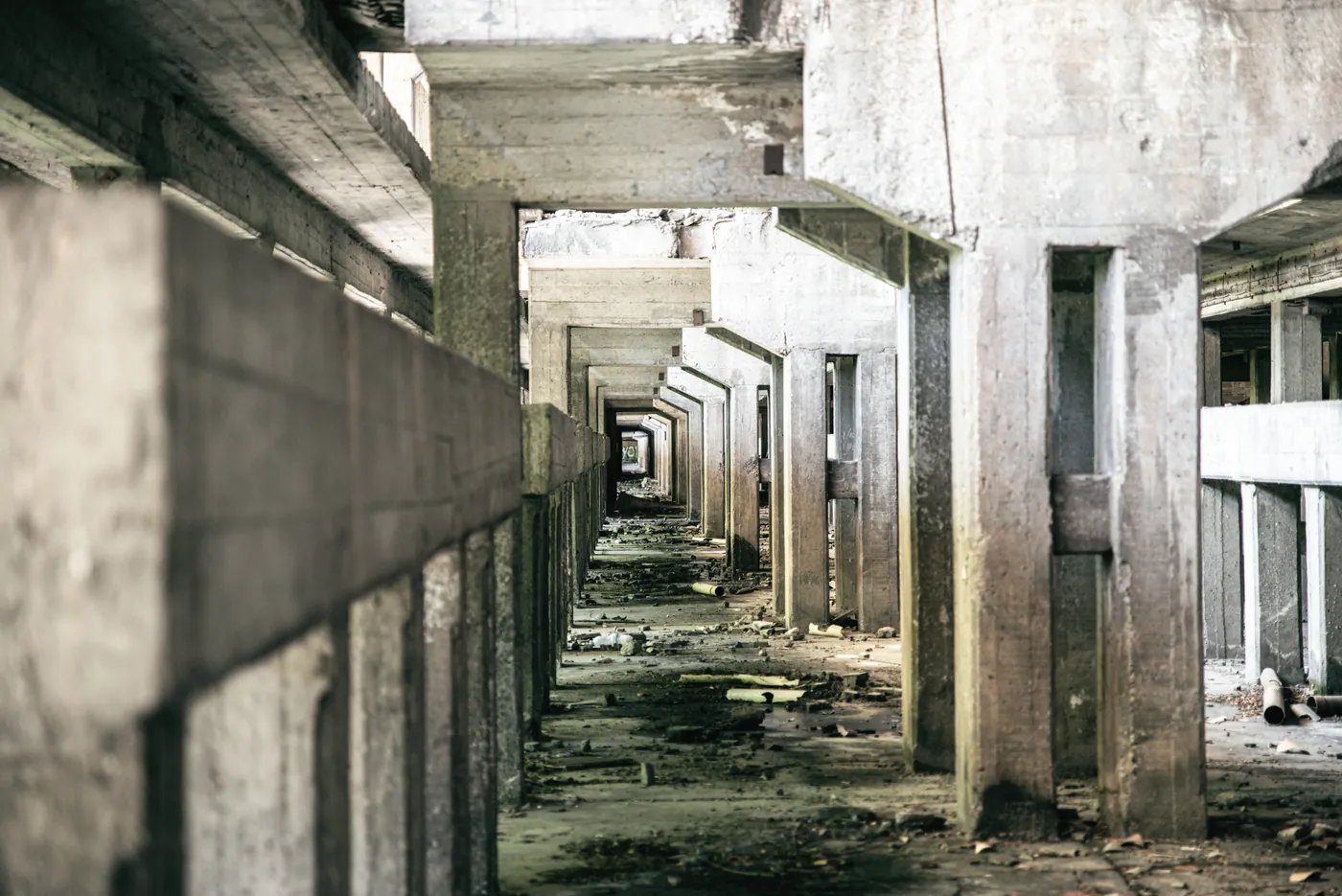
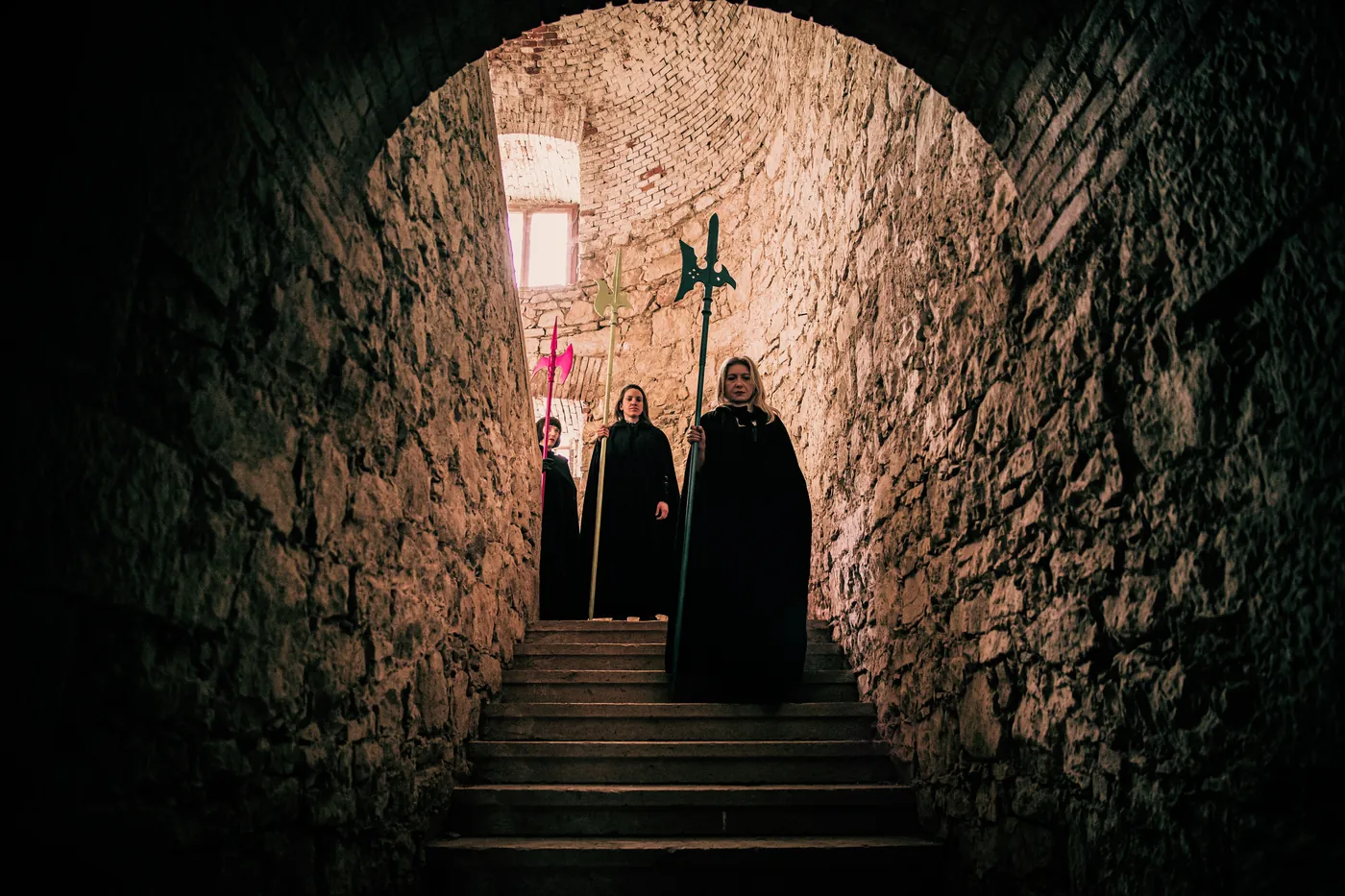
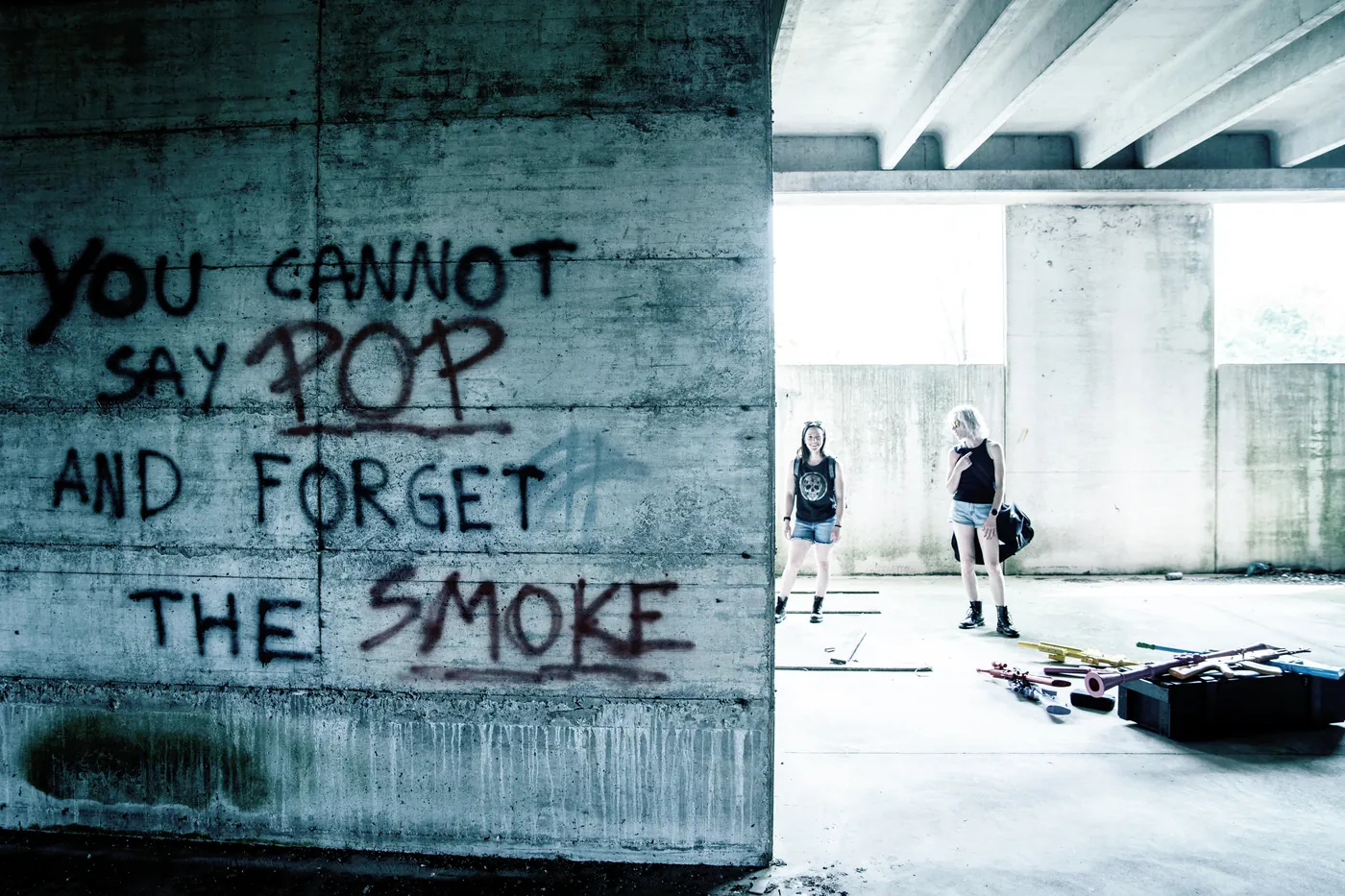
PopulArmy is not an army of conquest, but a bold, pop army that occupies the voids left behind by civilization. It fights in “places that defend no one”: abandoned factories, rural silos, snowy expanses, and rapeseed fields. The models — Mara, Silvia, and Martina — are not mere subjects, but ceremonial warriors who repopulate labyrinths of dust and reinforced concrete with a carnal presence that defies the coldness of algorithms.
The link to the title lies precisely in this dichotomy: the staging is “artificial” (in colors, poses, costumes), but the environment and the body are tragically real, witnesses to an existence that society has stopped acknowledging.
03Chromatic Pulp and Cinematic Theatricality
The photographic style of Massimo Laurenzi is an explosive fusion of pulp aesthetics, fashion photography, and post-apocalyptic reportage.
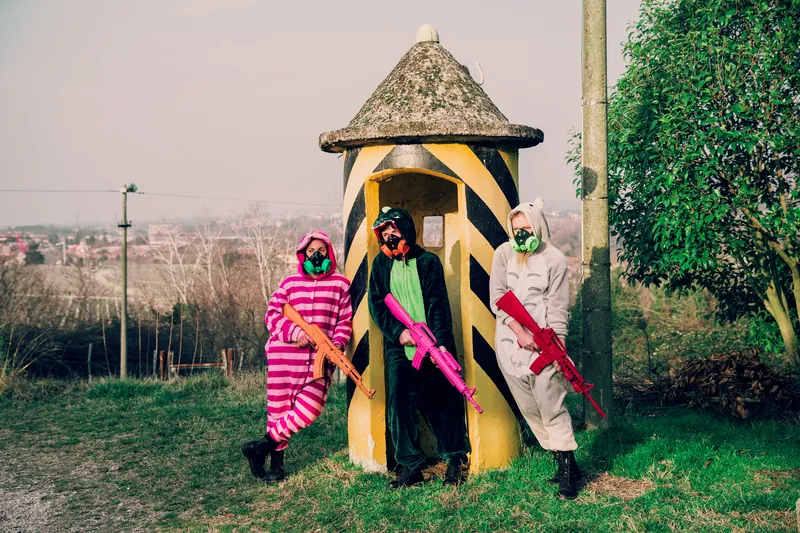
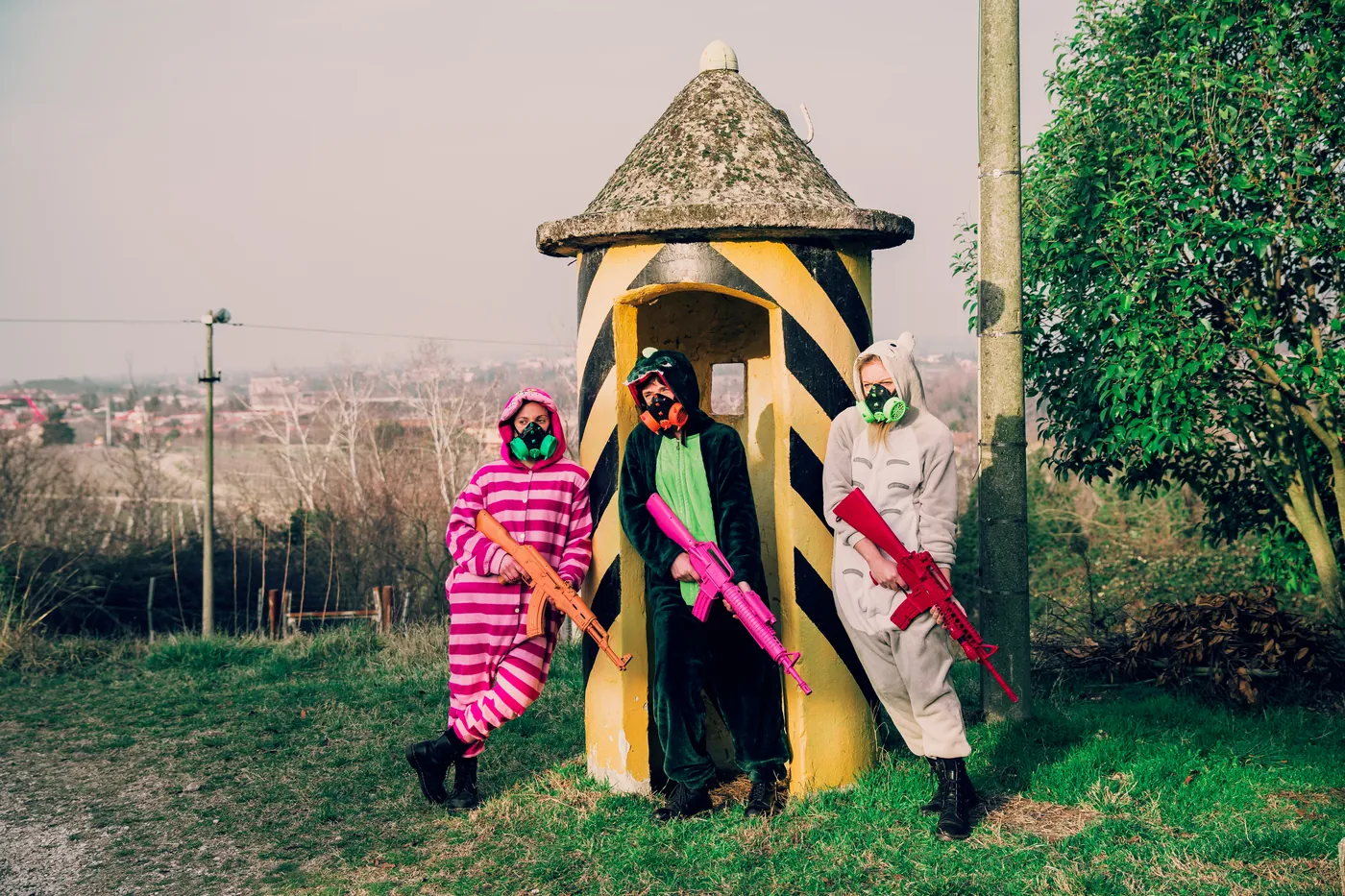
Material contrasts. Soft furs against raw concrete, synthetic kigurumi fabrics (like Totoro pajamas) set beside rusted cannons, and the delicacy of white wedding dresses that get stained by the iron of gravel pits.
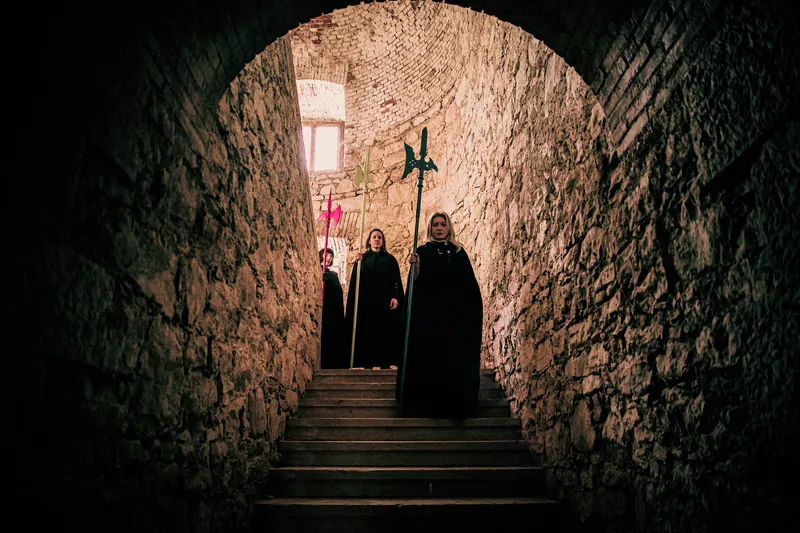
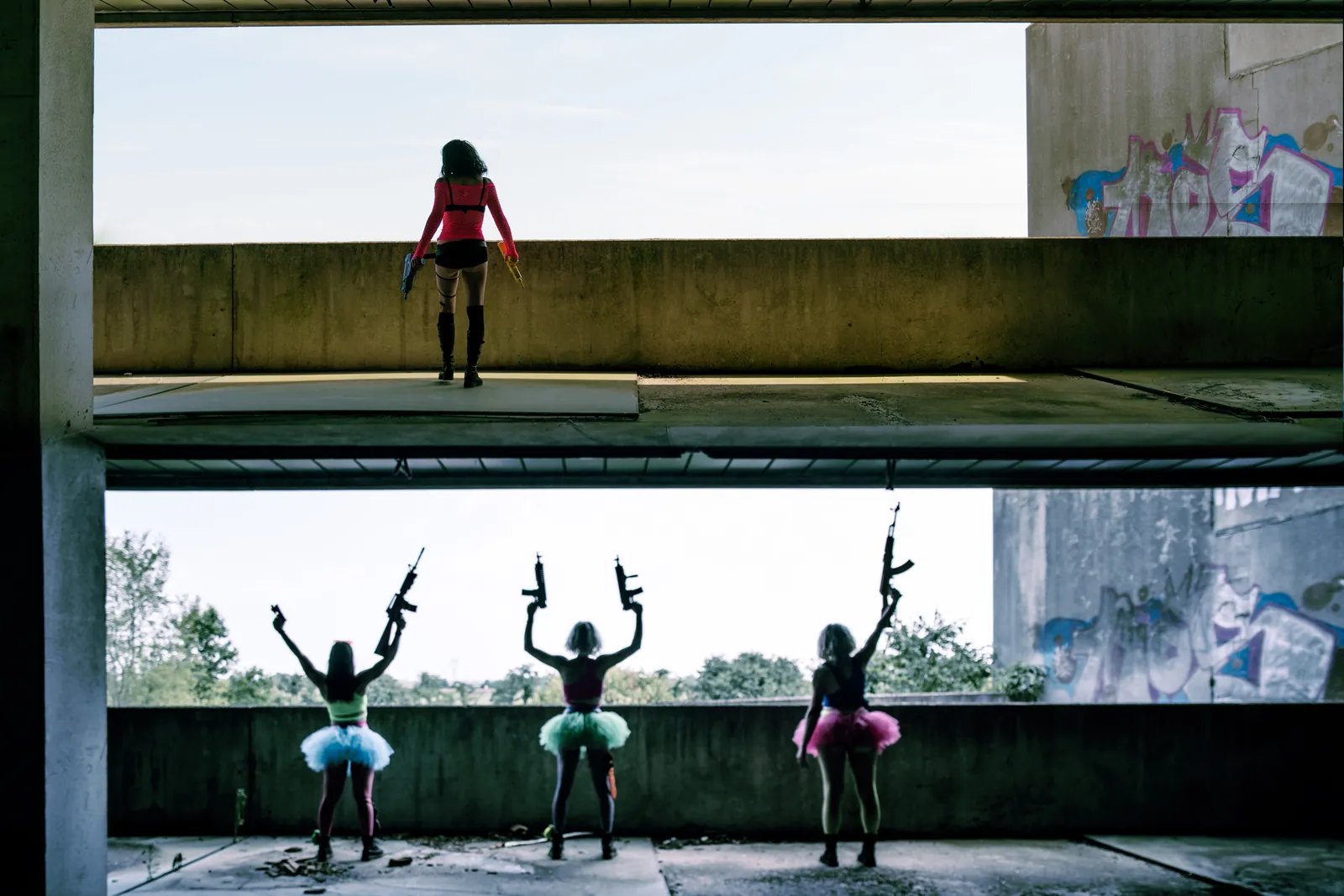
Scenographic compositions. Many frames evoke 1970s action cinema or a “Charlie's Angels” style, with sculptural poses, defiant stares behind mirrored sunglasses, and the use of silhouettes in a “Twilight of the Gods.”
04The Weapon as a Pop Toy
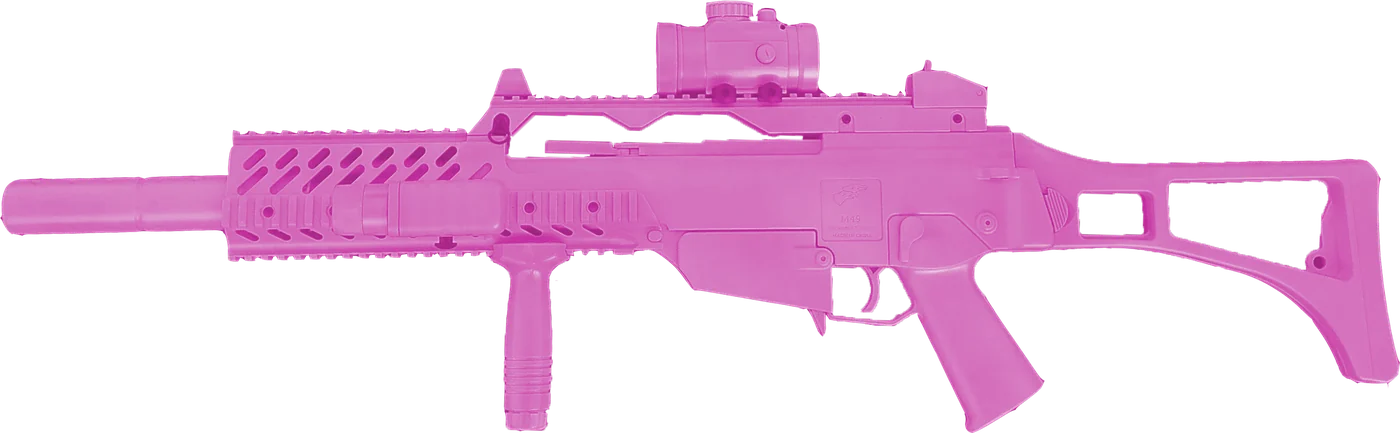
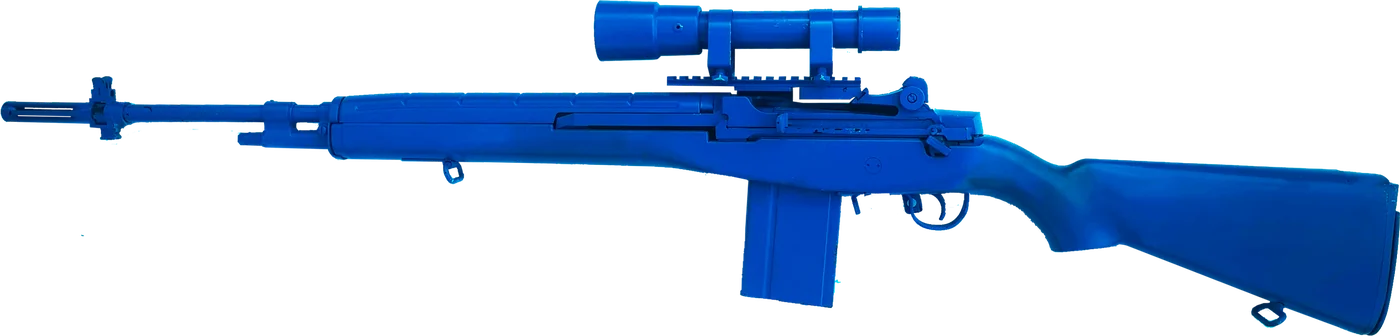
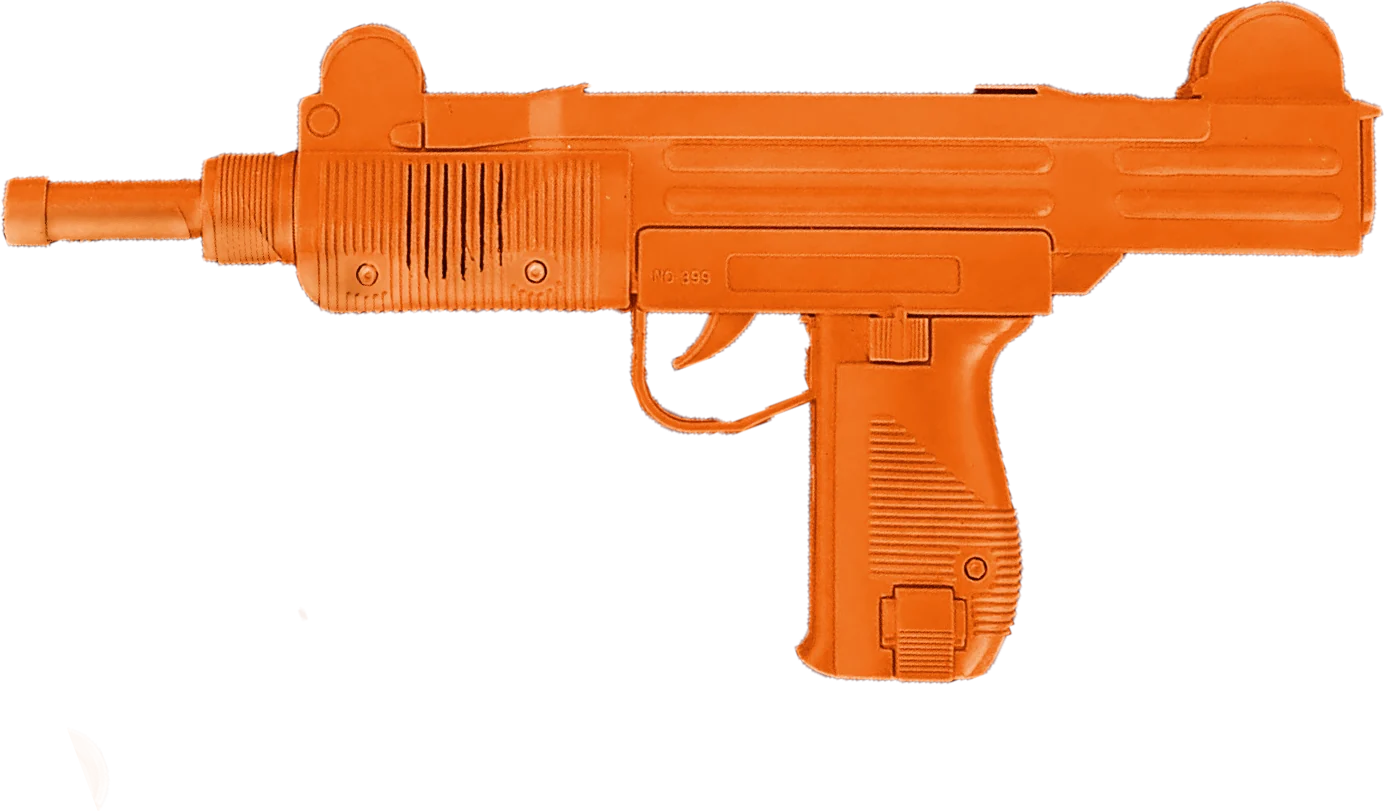
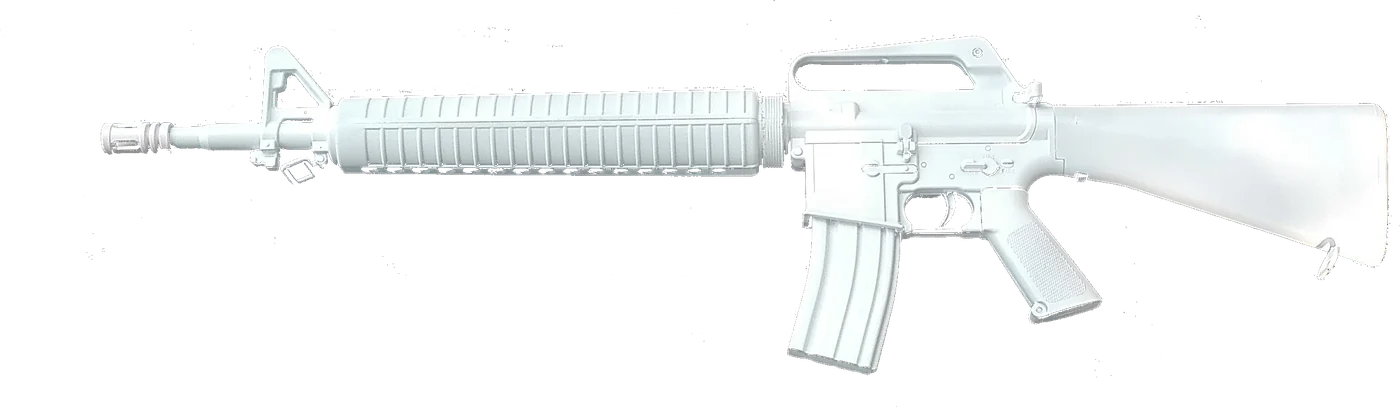
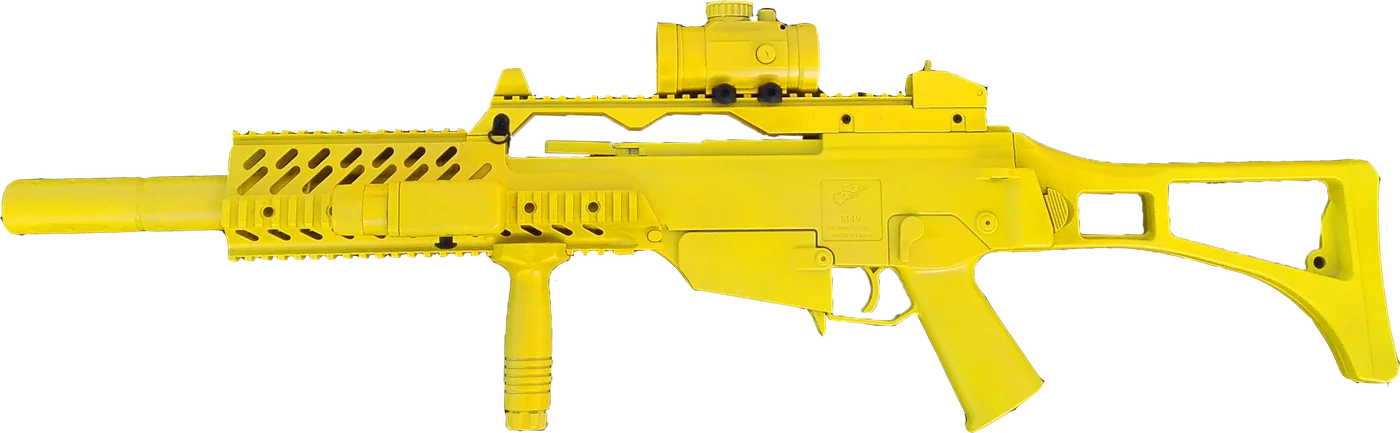
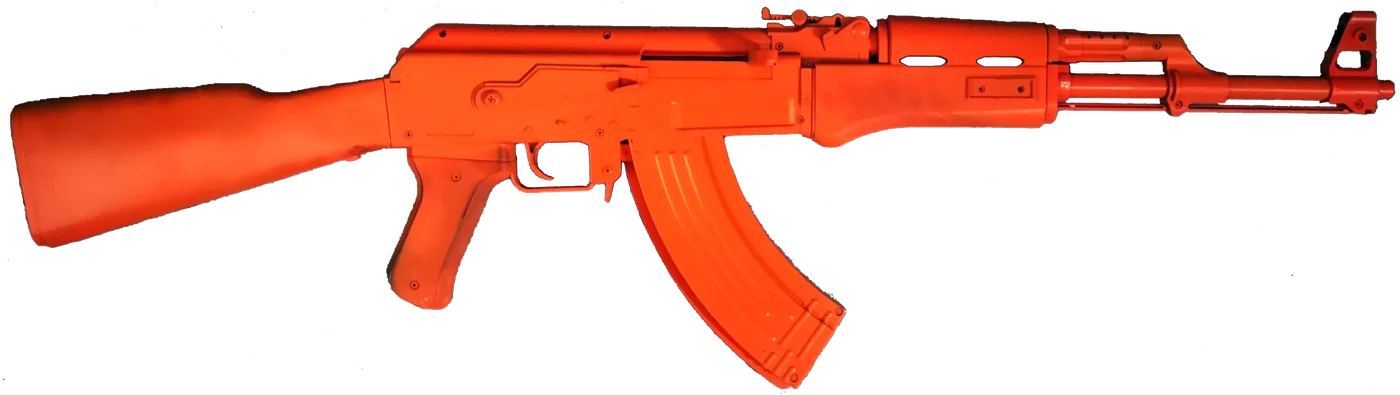
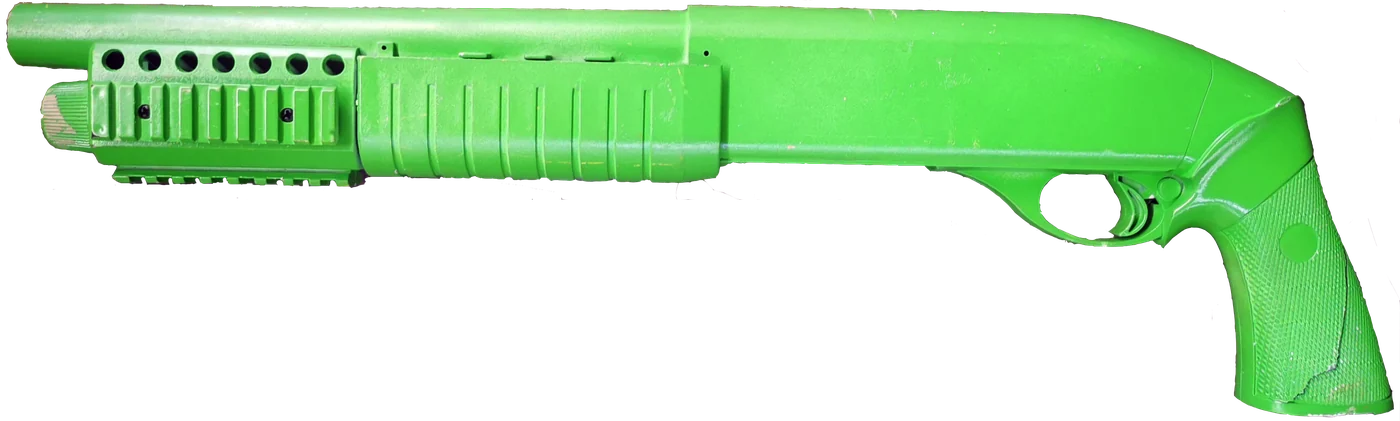
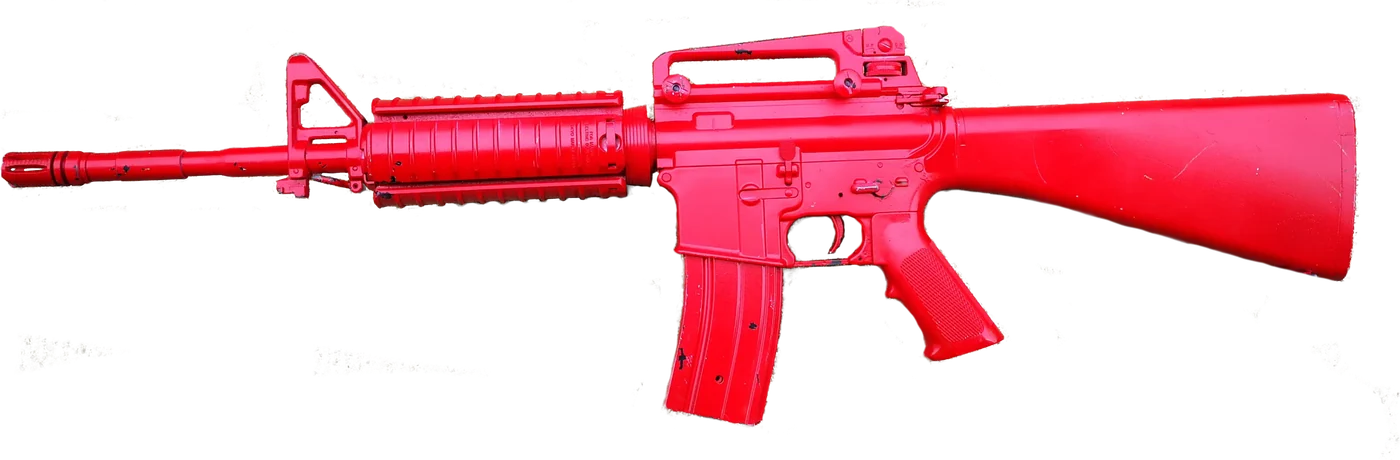
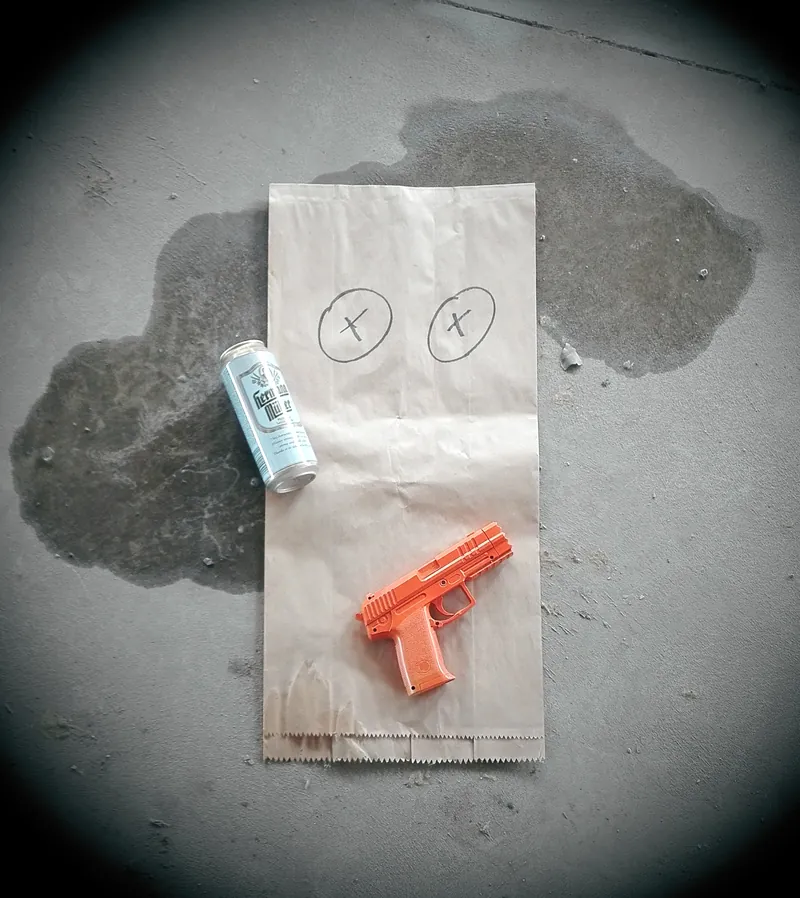
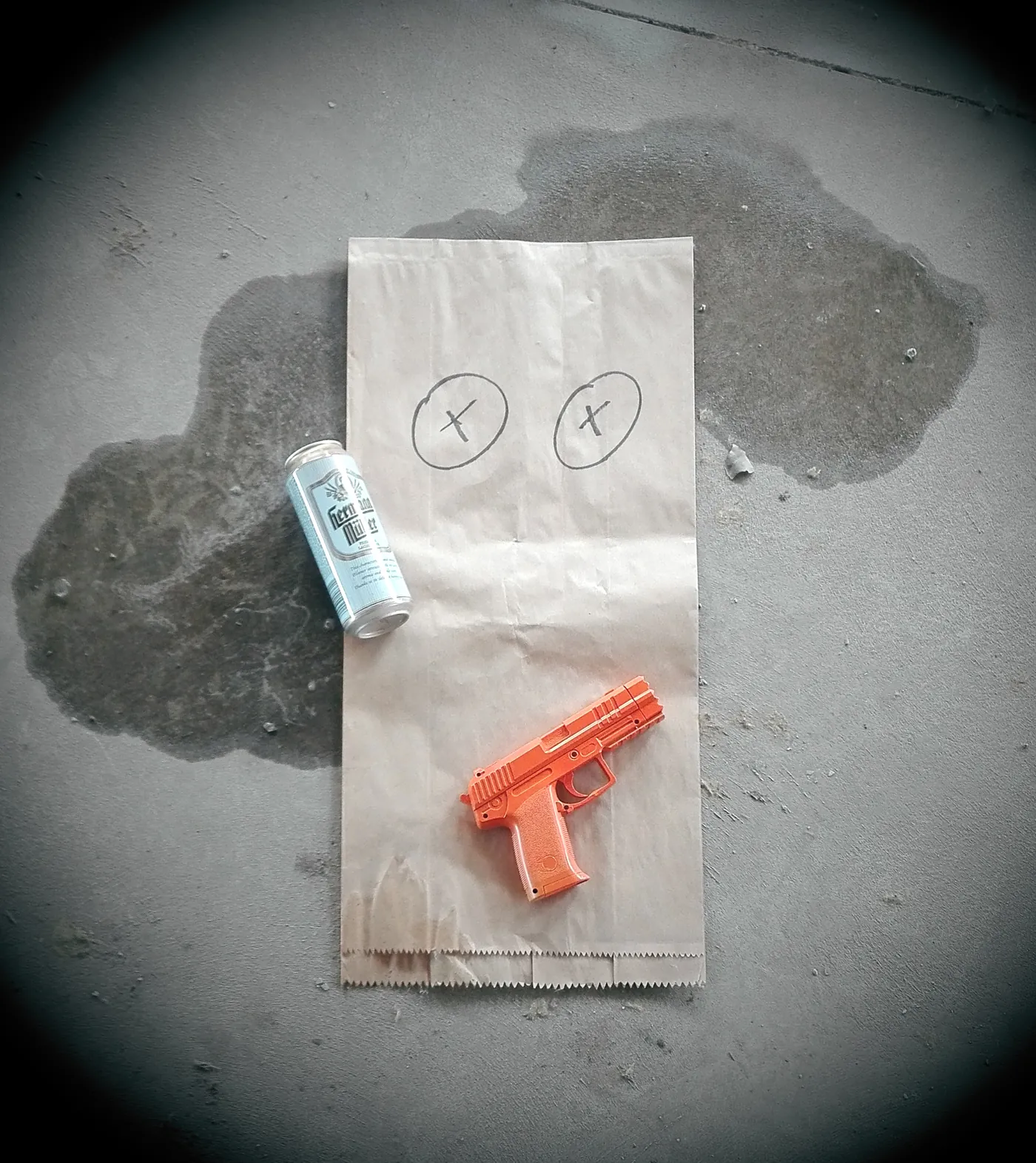
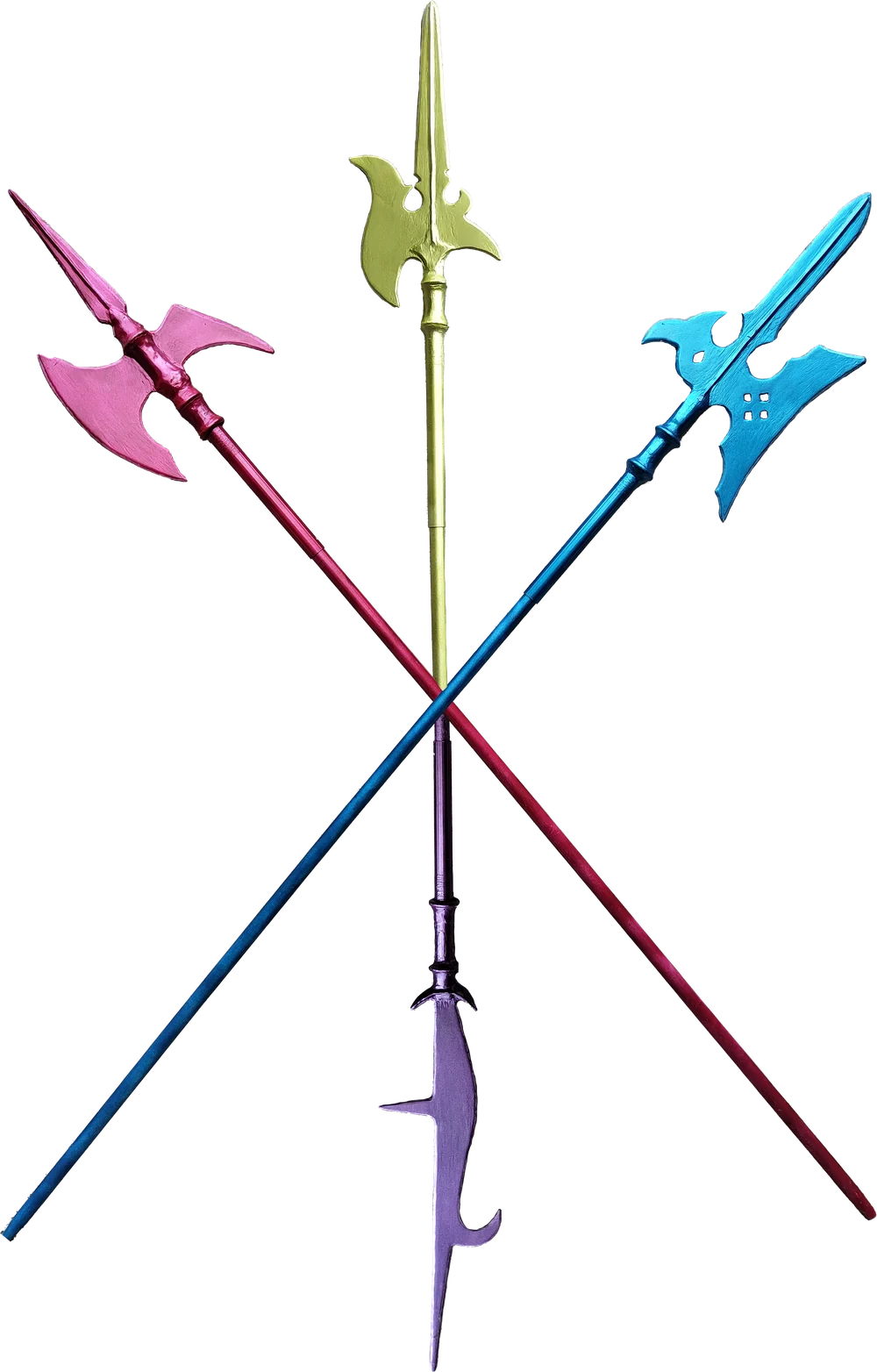
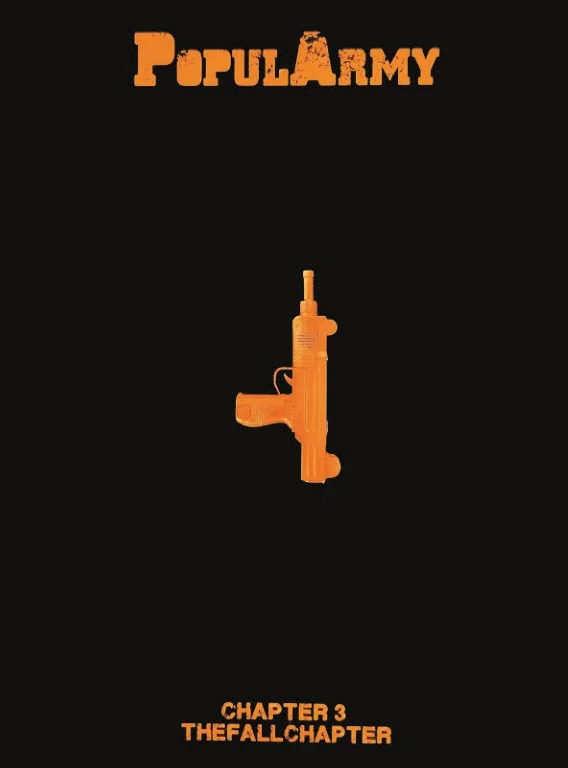
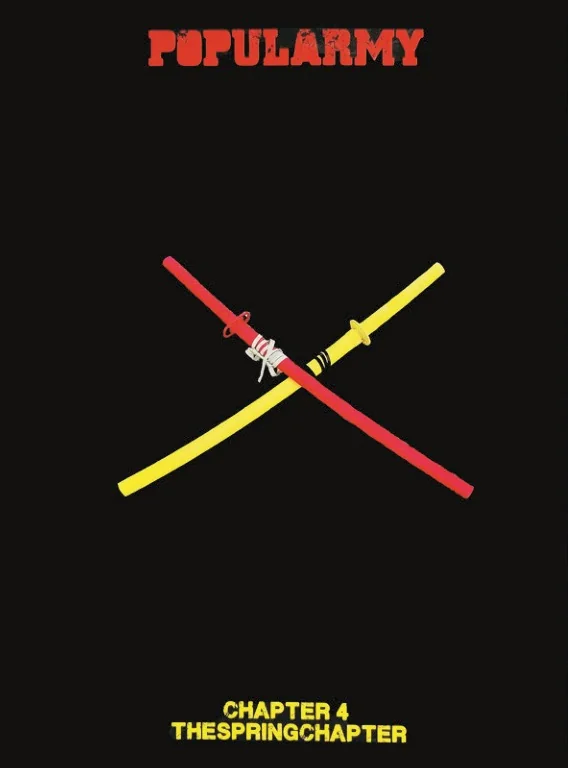
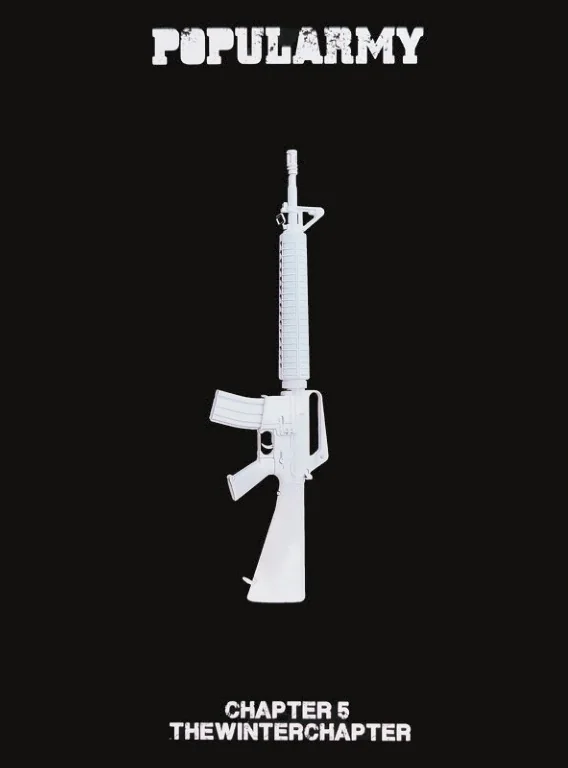
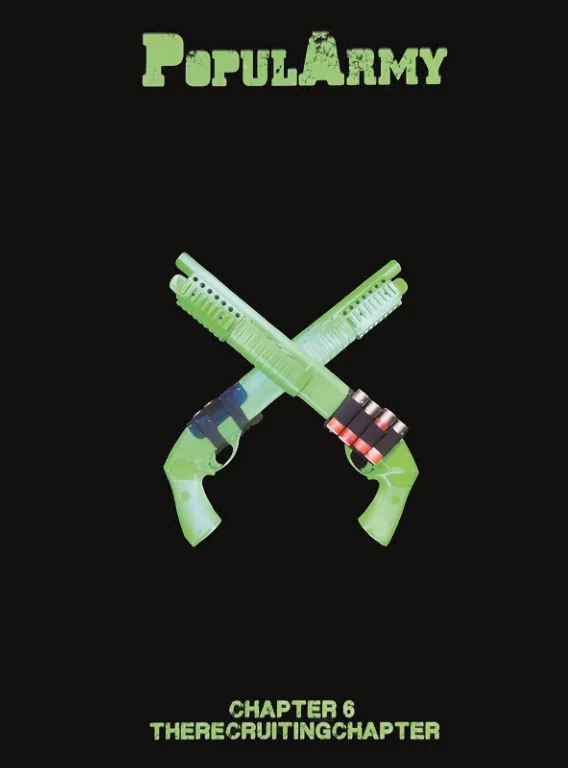
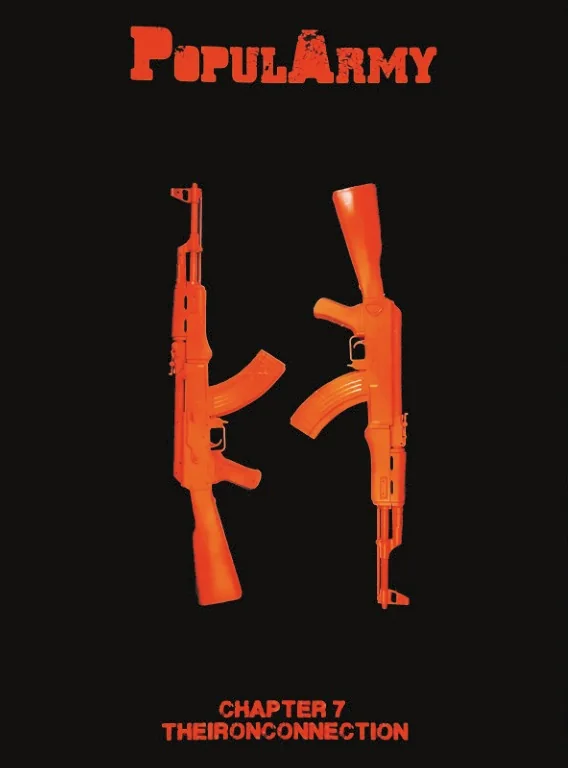
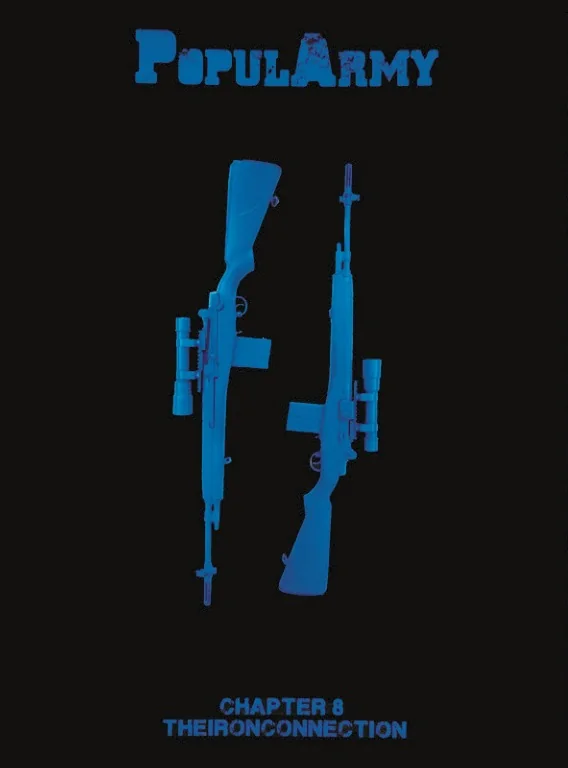
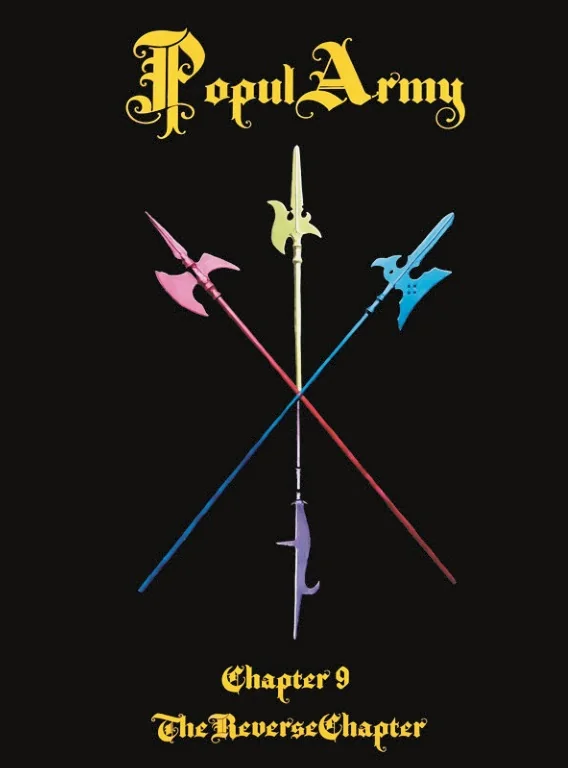
The stylistic heart of the project is the transformation of instruments of death (AK-47, RPG, M16, katanas) through bright and unnatural colors — pink, acid yellow, orange. This choice raises an aesthetic and moral question: does the act of war lose its violence if transfigured into a pop object? The sources remind us that “acts of war remain violent,” regardless of the weapon's color.